Vehicle collisions
Car Accident Personal Injury Lawyer in Chicago
After a collision, medical care, a clear record and an early review of the facts can be important to understanding a possible injury claim.
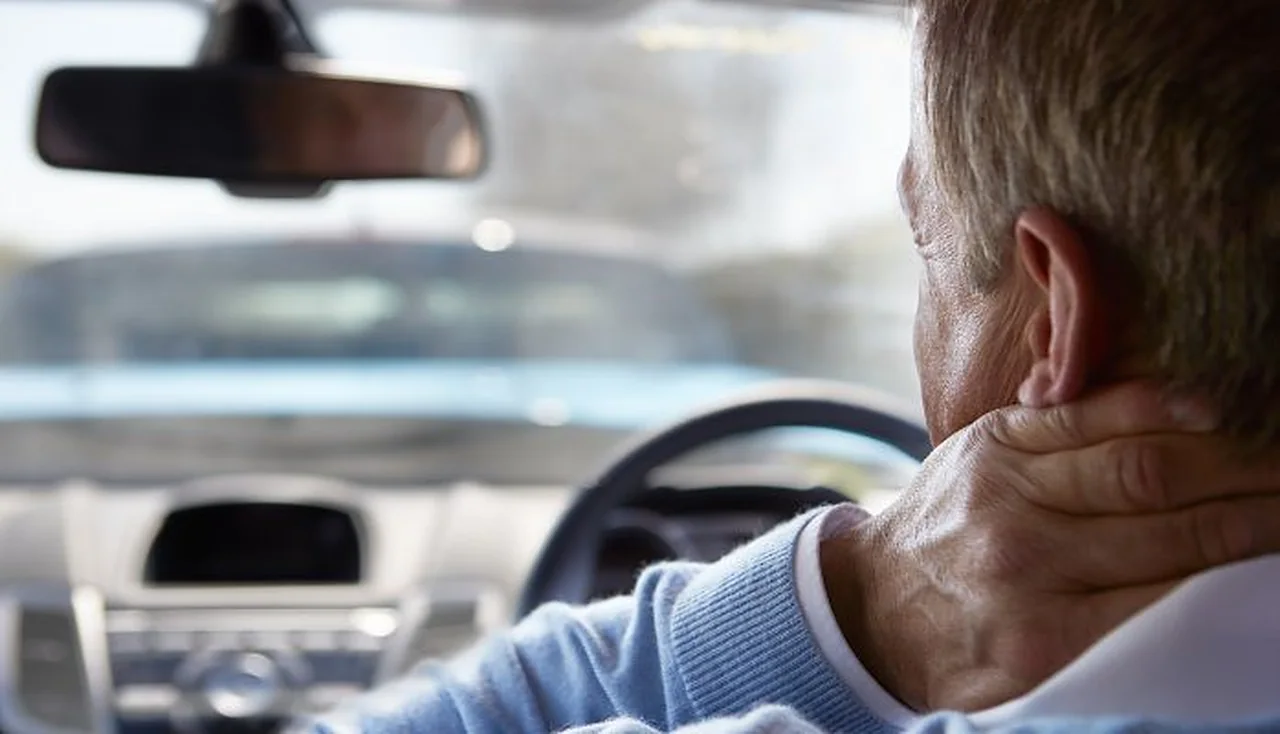
What to do after a car accident
Seek appropriate medical attention and follow the instructions of your healthcare providers. Some injuries may not be immediately obvious. Report the collision as required and avoid making assumptions about fault before the facts are reviewed.
If it is safe to do so, preserve photographs, vehicle and insurance information, witness details and official report information. Keep records of treatment, expenses, missed work and communications related to the collision.
- Prioritize safety and medical care
- Preserve photographs, reports and contact information
- Keep treatment, expense and insurance records together
Understanding liability and damages
A personal injury claim generally requires attention to who may be legally responsible and what losses resulted. Vehicle damage, medical records, witness accounts and other evidence can all contribute to that analysis.
A car accident personal injury lawyer in Chicago can review the available facts, identify potentially responsible parties and discuss categories of damages that may apply. Every claim depends on its evidence and governing law; no result can be promised.
Approach insurance communications carefully
Insurance representatives may request information soon after a collision. Keep copies of correspondence and avoid signing documents or accepting a resolution before you understand its effect.
The firm can review insurance communications and help you understand the issues involved. Bring claim numbers, policy information, letters and records of conversations to your consultation.
Building the claim from the evidence
Case preparation may involve collecting reports, medical documentation, employment information, photographs and other evidence. Timelines and completeness matter when explaining how a collision and injuries affected you.
The Law Offices of Reem Odeh investigates personal injury matters with attention to the facts and available support. Contacting the firm does not create an attorney-client relationship; representation must be discussed and agreed.
Your next steps
How the Firm Approaches Your Matter
Discuss the collision
Share when and where it happened, the people involved and any report or claim information.
Review injuries and evidence
Organize treatment records, photographs, witness information and insurance correspondence.
Assess the claim
If the firm can assist, discuss liability, damages, representation and the proposed next steps.
Develop the case
The team gathers and organizes evidence and communicates about the matter as it proceeds.
Chicago Car Accident Questions
What should I do immediately after a car accident?
Prioritize safety and appropriate medical care. If conditions permit, document vehicles, the scene, visible injuries, driver and insurance details, witnesses and report information. Keep treatment and expense records together. Avoid guessing about fault or minimizing symptoms; obtain a factual review if injuries, responsibility or insurance coverage is disputed.
Do I file with my insurer or the other driver’s insurer?
The Illinois Department of Insurance explains that an eligible claim may be pursued through your own coverage as a first-party claim or through the other driver’s insurer as a third-party claim. The policies, duties and obligations differ. Review your coverage and report information before assuming one route replaces another.
Should I give the other insurer a recorded statement?
You should understand why a statement is requested, what your own policy requires and how incomplete information could affect the claim. Do not speculate about speed, fault or injuries. Keep the request and claim details, and consider a legal review before a recorded statement when injuries or responsibility are contested. Required cooperation with your own insurer is a separate policy question.
What does signing an insurance release mean?
Illinois insurance guidance explains that a release generally means the offered amount is the final amount you will receive from the other driver and insurer for that claim. Review the complete document and understand the injuries, expenses and claims being resolved before signing. Cashing a check may also have consequences depending on its terms and circumstances.
What if I may have been partly at fault?
Do not assume that partial responsibility ends every possible claim or decide fault from an informal conversation. Evidence can include photographs, reports, witness accounts, vehicle damage and medical records. Responsibility and its legal effect require an Illinois-specific review of the facts. Give accurate information and avoid editing or reconstructing records after the collision.
Why follow up on medical care after a collision?
Some symptoms may develop or become clearer after the event, and medical providers can evaluate and document them. Follow professional advice, attend appropriate follow-up and preserve discharge instructions, bills and records. A gap or incomplete history can make it harder to explain the course of an injury, although each claim still depends on its evidence.
How many repair estimates do I need?
The Illinois Department of Insurance says you may provide more than one estimate, but the other driver’s insurer cannot require an unreasonable number. The insurer may inspect the vehicle and obtain its own estimate. Keep photographs, estimates and repair communications, and ask questions before authorizing work if coverage remains disputed.
Can I choose my own repair shop?
Illinois insurance guidance states that you have the right to choose the repair shop, although the insurer may only be responsible for a reasonable repair cost under the applicable rules. If your shop’s estimate exceeds the insurer’s, the insurer may pay the difference only in certain circumstances. Clarify payment and supplements before repairs when possible.
How long does a car accident settlement take?
There is no reliable universal timeline. Treatment, recovery, evidence, liability disputes, coverage, claim volume and negotiation can all affect timing. Resolving a claim before injuries and losses are understood can create problems when a release is final. No result or date can be promised; organize records and have the specific claim reviewed.
We Are Here to Answer Your Legal Questions